GoodSleep
· GoodSleep Team · science-of-sleep · 7 min read
Why Do I Wake Up at 3am? The Science Explained
It’s 3am. Your eyes snap open in the darkness. Again. You stare at the ceiling, wondering why this keeps happening — always around the same time, night after night. You’re not alone. Waking up between 3am and 4am is one of the most common sleep complaints, and there’s fascinating science behind why it happens.
This phenomenon isn’t random. Your body follows precise biological rhythms, and understanding them can help you finally sleep through the night.
The Science of Sleep Cycles and 3am Awakening
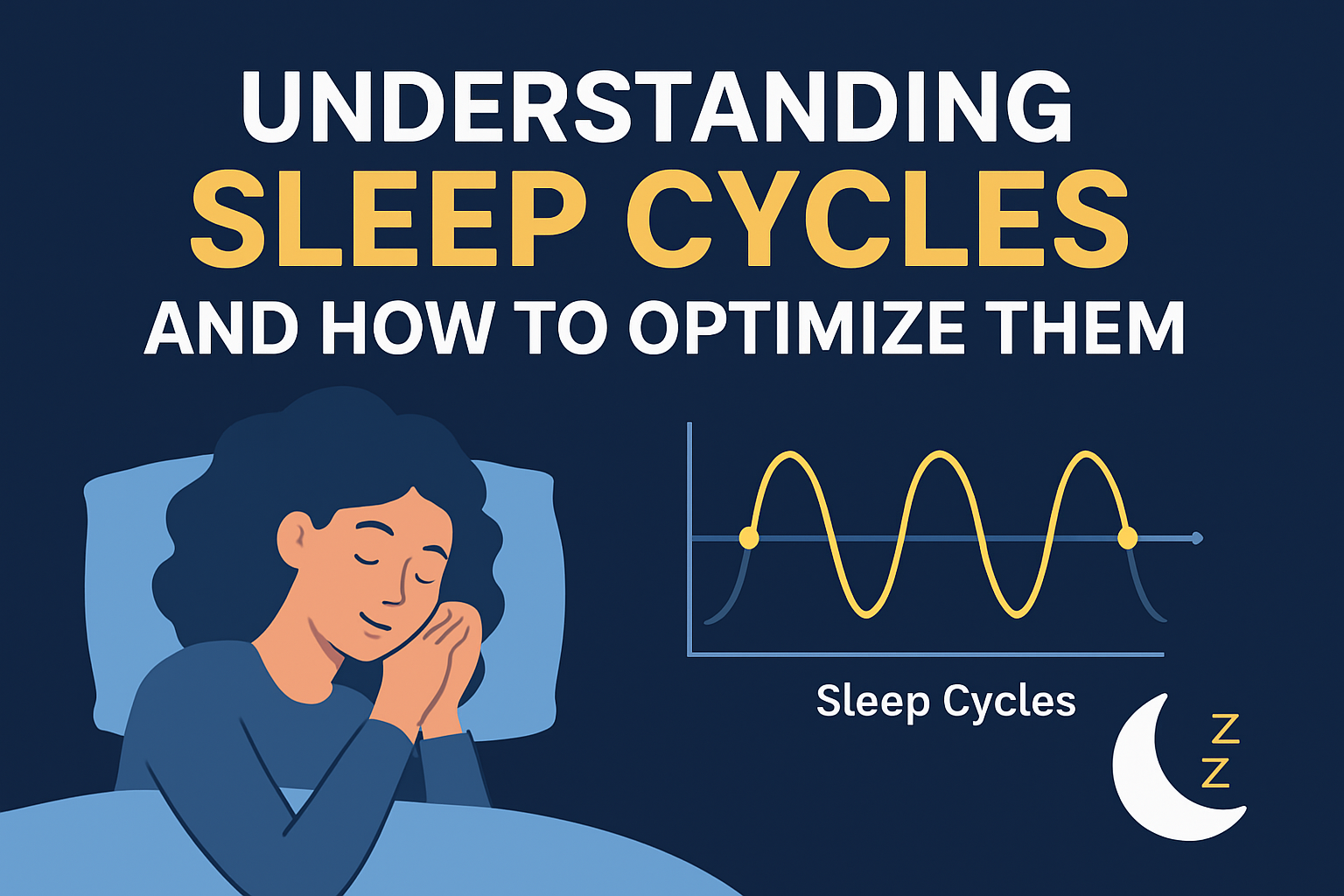
To understand why you wake up at 3am, you first need to understand how sleep works. Sleep isn’t a uniform state — it’s a dynamic process that cycles through distinct stages throughout the night.
How Sleep Cycles Work
A complete sleep cycle lasts approximately 90 minutes and includes:
- Stage 1 (N1): Light sleep, lasting 1-5 minutes
- Stage 2 (N2): Deeper sleep, lasting 10-25 minutes
- Stage 3 (N3): Deep sleep (slow-wave sleep), lasting 20-40 minutes
- REM Sleep: Dream sleep, lasting 10-60 minutes
For a comprehensive understanding of these stages, see our Ultimate Guide to Sleep Cycles.
Why 3am Is a Vulnerable Time
If you go to bed around 10-11pm, by 3am you’ve completed approximately 3-4 sleep cycles. Here’s what’s happening at this critical juncture:
Deep sleep decreases: The first half of the night is dominated by deep, restorative sleep. By 3am, your body has obtained most of its deep sleep quota.
REM sleep increases: The second half of the night features longer REM periods. REM sleep is lighter and more easily disrupted.
Natural arousal threshold drops: Your brain becomes more responsive to internal and external stimuli.
This transition point makes 3am a natural “weak spot” in your sleep architecture.
7 Scientific Reasons You Wake Up at 3am
1. Cortisol Awakening Response (CAR)
Your body begins preparing for wakefulness hours before your alarm. Cortisol, the “stress hormone,” follows a predictable 24-hour rhythm:
- Lowest point: Around midnight to 2am
- Rising phase: Begins around 3-4am
- Peak: 30-45 minutes after waking
This pre-dawn cortisol surge is called the Cortisol Awakening Response. In some people, this rise begins too early or too steeply, triggering premature awakening.
Research insight: A 2019 study in Psychoneuroendocrinology found that individuals with anxiety disorders showed earlier and more pronounced cortisol rises, correlating with middle-of-the-night awakenings.
2. Blood Sugar Fluctuations
Your blood glucose levels don’t remain stable overnight. If they drop too low (nocturnal hypoglycemia), your body releases adrenaline and cortisol to mobilize energy stores — and this hormonal surge can wake you up.
Common triggers:
- Eating dinner too early
- High-sugar evening snacks (causing reactive hypoglycemia)
- Alcohol consumption (initially raises, then crashes blood sugar)
- Diabetes or pre-diabetes
Signs blood sugar is the culprit:
- Waking with a racing heart
- Night sweats
- Feeling hungry upon waking
- Difficulty falling back asleep
3. Core Body Temperature Shifts
Your body temperature follows a circadian rhythm, dropping to its lowest point between 3-4am. This temperature nadir can trigger brief awakenings, especially if:
- Your bedroom is too warm or too cold
- Your bedding doesn’t regulate temperature well
- You’re going through menopause (hot flashes)
For optimal sleep temperature strategies, read our guide on Sleep Temperature Optimization.
4. Stress and Anxiety
The 3am awakening is notorious among people experiencing stress. During the day, you’re distracted. At 3am, with no distractions, your brain has free rein to process worries.
The anxiety-awakening cycle:
- Stress elevates baseline cortisol
- Elevated cortisol fragments sleep
- Fragmented sleep increases stress sensitivity
- Increased stress further elevates cortisol
This creates a self-reinforcing loop that can be difficult to break without intervention.
For more on this connection, explore Sleep and Mental Health: The Two-Way Street.
5. Sleep Apnea
Obstructive sleep apnea (OSA) causes repeated breathing interruptions throughout the night. While these can occur at any time, they often cluster during REM sleep — which is more prevalent in the early morning hours.
Warning signs:
- Waking gasping or choking
- Morning headaches
- Excessive daytime sleepiness
- Partner reports snoring or breathing pauses
If you suspect sleep apnea, see our guide on Dangers of Untreated Sleep Apnea.
6. Alcohol’s Rebound Effect
That nightcap might help you fall asleep faster, but it’s sabotaging your sleep quality. Here’s the timeline:
- First half of night: Alcohol acts as a sedative, suppressing REM sleep
- Second half of night: As alcohol metabolizes, you experience “REM rebound” — intense, fragmented REM sleep
- 3-4am: Blood alcohol drops, triggering withdrawal-like symptoms including awakening
Studies show that even moderate alcohol consumption (2 drinks) can increase wakefulness in the second half of the night by up to 24%.
7. Aging and Sleep Architecture Changes
As we age, our sleep architecture naturally shifts:
- Less time in deep sleep
- More frequent awakenings
- Earlier circadian timing (advanced sleep phase)
- Reduced melatonin production
These changes make middle-of-the-night awakenings increasingly common after age 40.
The Psychology of 3am: Why It Feels So Distressing
Waking at 3am often feels worse than waking at other times. There are psychological reasons for this:
The “Witching Hour” Effect
3am sits at the psychological midpoint of night — too late to feel like evening, too early to justify getting up. This creates a sense of being trapped in wakefulness.
Cognitive Distortions at Night
Research shows that our thinking patterns change at night:
- Catastrophizing increases: Problems seem larger and more unsolvable
- Emotional regulation decreases: We’re more reactive to negative thoughts
- Time perception distorts: Minutes feel like hours
A 2023 study in Frontiers in Network Physiology termed this “mind after midnight” — a state where the sleeping brain’s reduced prefrontal cortex activity impairs judgment and emotional regulation.
The Monitoring Trap
Once you’ve woken at 3am a few times, you may unconsciously start “monitoring” for it — and this hypervigilance itself can trigger awakening. Your brain learns to wake up at that time.
How to Stop Waking Up at 3am: Evidence-Based Solutions
Immediate Strategies (Tonight)
1. Don’t check the time
Looking at the clock triggers stress responses and reinforces the awakening pattern. Turn your clock away or remove it from the bedroom.
2. Use the 20-minute rule
If you can’t fall back asleep within approximately 20 minutes, get up. Go to another room, do something boring in dim light, and return only when sleepy. This prevents your brain from associating bed with wakefulness.
3. Try a body scan relaxation
Starting from your toes, progressively relax each muscle group. This activates the parasympathetic nervous system and counters the cortisol surge.
4. Keep a worry notepad
If anxious thoughts are keeping you awake, write them down. This “offloads” them from your working memory, signaling to your brain that they’re captured and can be addressed tomorrow.
Lifestyle Modifications (This Week)
1. Stabilize blood sugar
- Eat dinner 3-4 hours before bed
- Include protein and complex carbs at dinner
- Avoid high-sugar evening snacks
- Consider a small protein-rich snack before bed if hypoglycemia is suspected
2. Optimize your sleep environment
- Keep bedroom temperature between 65-68°F (18-20°C)
- Use breathable, moisture-wicking bedding
- Ensure complete darkness (blackout curtains, no LED lights)
- Use white noise to mask environmental sounds
3. Limit alcohol
If you drink, stop at least 3-4 hours before bed. Better yet, experiment with alcohol-free evenings and observe the difference.
4. Manage stress proactively
Don’t wait until 3am to process your worries. Schedule “worry time” during the day — 15-20 minutes to write down concerns and potential solutions.
Long-Term Solutions (This Month)
1. Strengthen your circadian rhythm
- Wake at the same time every day (including weekends)
- Get bright light exposure within 30 minutes of waking
- Dim lights 2 hours before bed
- Avoid screens or use blue-light blocking glasses
2. Consider Cognitive Behavioral Therapy for Insomnia (CBT-I)
CBT-I is the gold-standard treatment for chronic insomnia, including middle-of-the-night awakenings. It’s more effective than sleeping pills and has lasting benefits.
3. Rule out medical causes
If 3am awakenings persist despite lifestyle changes, consult a healthcare provider to rule out:
- Sleep apnea
- Thyroid disorders
- Hormonal imbalances
- Restless leg syndrome
- Depression or anxiety disorders
When 3am Awakening Requires Medical Attention
Seek professional help if you experience:
- Waking up gasping, choking, or with a racing heart
- Persistent awakenings despite good sleep hygiene
- Significant daytime impairment (fatigue, concentration problems)
- Symptoms of depression or anxiety
- Awakenings accompanied by pain or discomfort
The Bottom Line
Waking up at 3am isn’t a curse or a mystery — it’s a predictable result of your sleep architecture, hormonal rhythms, and lifestyle factors. The transition from deep sleep to REM-dominant sleep, combined with the early cortisol rise, creates a natural vulnerability window.
The good news: once you understand the mechanisms, you can address them systematically. Start with the immediate strategies tonight, implement lifestyle changes this week, and consider professional help if problems persist.
Your body wants to sleep through the night. Sometimes it just needs the right conditions to do so.
Related Articles
- The Ultimate Guide to Sleep Cycles — Understand the architecture of your nightly sleep
- How to Stay Asleep Through the Night — Practical strategies for uninterrupted sleep
- Sleep and Mental Health — The bidirectional relationship between sleep and psychological well-being
- Techniques to Fall Asleep Faster — Evidence-based methods for quicker sleep onset